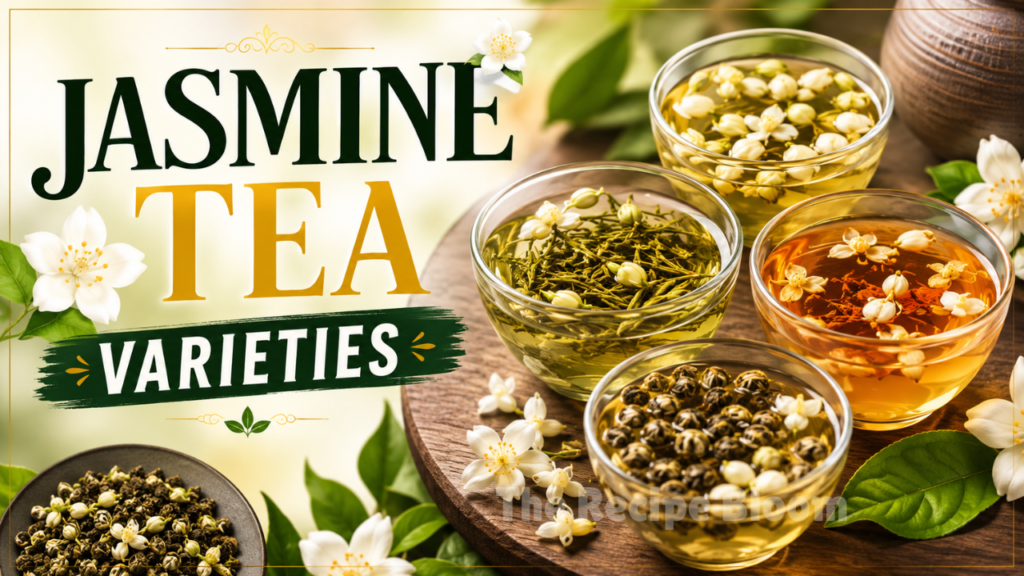
Jasmine tea is one of the most elegant and aromatic beverages enjoyed around the world. Its delicate floral fragrance combined with smooth tea leaves creates a refreshing drink that feels both relaxing and luxurious. Whether you’re new to jasmine tea or looking to discover new varieties, understanding the different types can help you find the perfect cup for every mood and occasion.
Unlike flavored teas that rely on artificial ingredients, authentic jasmine tea is traditionally made by layering freshly picked jasmine blossoms with tea leaves. The leaves naturally absorb the floral aroma over several nights before the flowers are removed, creating a beautifully scented tea with a balanced taste.
What Is Jasmine Tea?
Jasmine tea is a scented tea that typically uses green tea as its base, although white tea, black tea, oolong tea, and even herbal blends can also be infused with jasmine blossoms. The quality of jasmine tea depends on the freshness of the flowers, the quality of the tea leaves, and how many times the scenting process is repeated.
Premium jasmine teas often undergo multiple rounds of scenting, resulting in a richer and longer-lasting floral aroma without becoming overpowering.
Popular Jasmine Tea Varieties
Jasmine Green Tea
Jasmine green tea is the most well-known and widely enjoyed variety. It features fresh, grassy notes from green tea combined with the sweet aroma of jasmine flowers. This tea has a light body, smooth finish, and refreshing taste that makes it perfect for daily drinking.
It pairs beautifully with light meals, fresh fruit, salads, and afternoon snacks while offering a clean and delicate flavor profile.
Jasmine Pearl Tea
Jasmine Pearl Tea is considered one of the finest jasmine tea varieties available. Young tea leaves and buds are carefully hand-rolled into small pearls before being scented with jasmine blossoms multiple times.
When brewed, the pearls slowly unfurl, releasing an incredibly fragrant aroma and producing a smooth, naturally sweet cup with very little bitterness. This premium tea is often reserved for special occasions or quiet moments of relaxation.
Jasmine Silver Needle Tea
This luxurious variety uses premium white tea buds as the base instead of green tea. The result is an exceptionally light, silky tea with subtle floral sweetness and minimal astringency.
Jasmine Silver Needle is appreciated by tea enthusiasts who enjoy delicate flavors and refined aromas without the stronger grassy notes found in green tea.
Jasmine Oolong Tea
Jasmine Oolong Tea combines partially oxidized oolong leaves with fragrant jasmine blossoms. The tea develops a richer body than green tea while maintaining the signature floral aroma.
Its smooth, creamy texture and slightly roasted character create a balanced cup that works well after meals or during an afternoon break.
Jasmine Black Tea
For those who enjoy stronger flavors, Jasmine Black Tea offers a bold alternative. The robust black tea leaves provide malty richness while jasmine blossoms soften the overall profile with their floral sweetness.
This variety pairs wonderfully with breakfast foods, pastries, and desserts while offering a comforting and full-bodied experience.
Jasmine Herbal Tea
Some caffeine-free blends use dried jasmine flowers with herbs such as chamomile, mint, lemongrass, or rooibos. Although technically not traditional jasmine tea, these herbal infusions provide a soothing floral experience that can be enjoyed any time of day, especially before bedtime.
Loose Leaf vs. Tea Bags
Loose leaf jasmine tea generally provides a more authentic flavor because it contains larger, higher-quality tea leaves that expand fully during brewing. The aroma is richer, the taste is smoother, and the overall experience feels more premium.
Tea bags, however, offer convenience and are ideal for busy mornings or office use. Many quality brands now produce tea bags with whole leaves that deliver impressive flavor while remaining easy to prepare.
How to Brew Jasmine Tea
Brewing jasmine tea correctly helps preserve its delicate fragrance and prevents bitterness.
Use fresh filtered water and avoid boiling temperatures for green or white jasmine teas. Water between 75°C and 85°C (170°F to 185°F) works best. Steep the tea for two to three minutes, then adjust future brewing times based on your preferred strength.
Black jasmine tea can tolerate slightly hotter water and a longer steeping time without losing its pleasant aroma.
Choosing the Best Jasmine Tea
When shopping for jasmine tea, look for products that list real jasmine blossoms rather than artificial flavoring. Premium loose leaf teas often display intact leaves, visible buds, and a naturally sweet floral fragrance.
Tea harvested during the spring season is often considered among the highest quality because young leaves provide a smoother, fresher taste.
Packaging also matters. Airtight containers help preserve the delicate jasmine aroma, ensuring each cup tastes as fresh as possible.
Why Tea Lovers Enjoy Different Jasmine Tea Varieties
Each variety offers a unique experience depending on the tea base. Green tea provides freshness, white tea offers elegance, oolong delivers complexity, black tea adds richness, and herbal blends create a naturally calming drink.
Exploring multiple varieties allows tea lovers to discover flavors that suit different seasons, meals, and personal preferences.